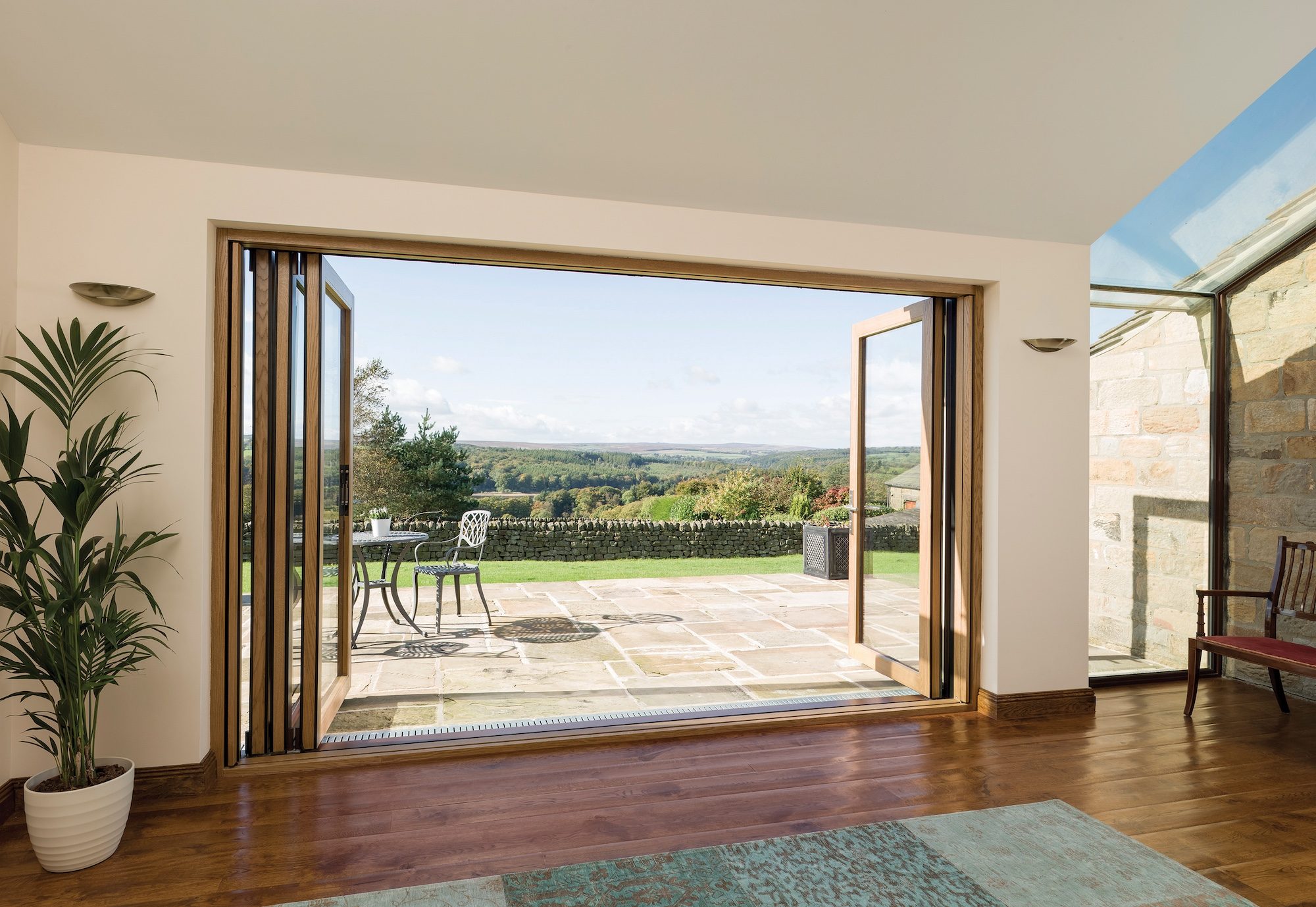
Bifold doors are one of the most transformative additions you can make to a home. They open up entire walls to natural light, connect living spaces to gardens, and create a sense of modern openness that feels both luxurious and practical. In most cases, they won’t even require planning permission. However, there are exceptions to this, and other regulations may apply, even without a need for planning permission.
In this guide, we’ll provide everything you need to know about both cases, so you can make an informed decision before moving forward with your project.
When you don’t need planning permission for bifold doors
In most cases, bifold doors fall under permitted development rights. This means you can install them without applying for formal planning permission.
This means you won’t need planning permission if:
- You are replacing existing doors or windows on a rear elevation
- The size of the opening is not being significantly enlarged
- The doors are installed at the back of the property and not facing a highway
- Your property is not listed
- Permitted development rights have not been removed
That said, every property is unique. Period homes, architect-designed properties, and homes in protected areas often require a closer look.
When planning permission may be required
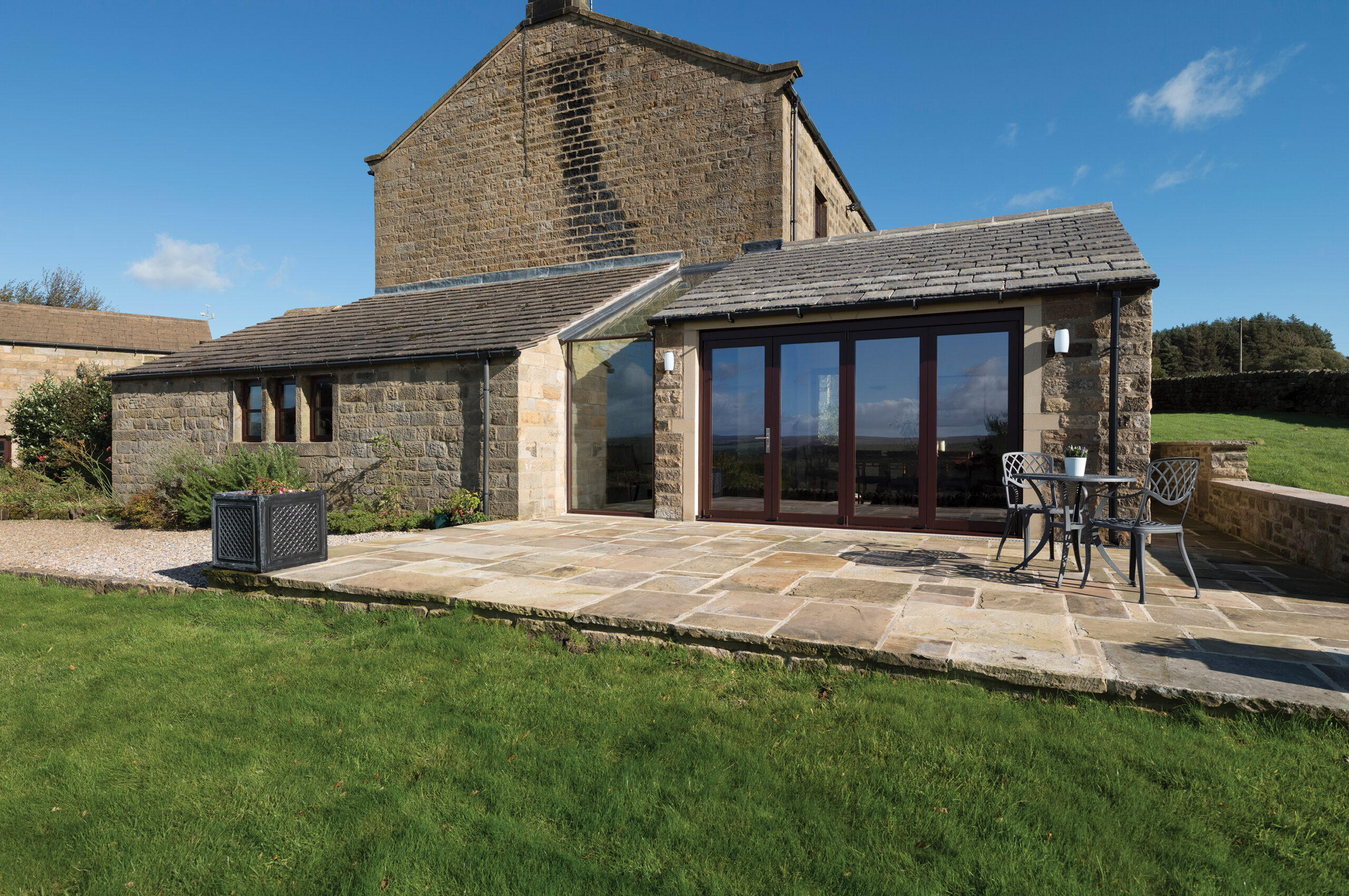
While many bifold door installations are permitted development, there are circumstances where planning approval is necessary.
Listed buildings
If your property is listed, you will almost always require Listed Building Consent, even for changes that may appear minor. Listed status protects the character and historic integrity of a building. This means alterations to openings, frames, materials, or external appearance typically need approval.
Conservation areas
In conservation areas, restrictions are tighter to preserve architectural character. While rear elevations are often more flexible, visible changes, particularly to elevations facing public highways, may require permission.
Front elevations
Installing bifold doors on the principal elevation of a property (the front) often requires planning permission, particularly if it alters the building’s external appearance.
Structural alterations
If installing bifold doors involves enlarging an existing opening, removing a load-bearing wall, or creating a completely new opening, planning permission may be required. This is especially true if the change materially alters the structure.
As part of a new extension
If your bifold doors form part of a larger extension project, planning permission for the extension will typically cover the doors as part of the overall application.
What other regulations apply to bifold doors?
Even if planning permission is not required, bifold doors must still comply with other legal standards.
Building regulations
All new external doors must meet UK Building Regulations. These are the documents covering:
- Structural stability
- Thermal efficiency (Part L compliance)
- Safety glazing
- Ventilation requirements
- Fire escape considerations
These regulations ensure that your installation is safe, secure, and energy-efficient.
Do I need a FENSA certificate for bifold doors?
If you are installing bifold doors in an existing residential property, the work must be certified as compliant with Building Regulations. This is usually done through FENSA (Fenestration Self-Assessment Scheme) or a similar competent person scheme.
If your installer is FENSA registered, you will automatically receive a certificate confirming compliance. This certificate is important when selling your home, as it provides legal proof that the installation meets required standards.
If your installer is not registered, you would need to apply separately to your local authority for Building Control approval. This process can be more complex and time-consuming.
Article 4 directions
In some areas, local authorities remove permitted development rights under what’s known as an Article 4 direction. This is common in parts of London and certain conservation areas. If Article 4 applies to your property, planning permission may be required even for changes that would normally be permitted.
Bifold doors for heritage and conservation properties
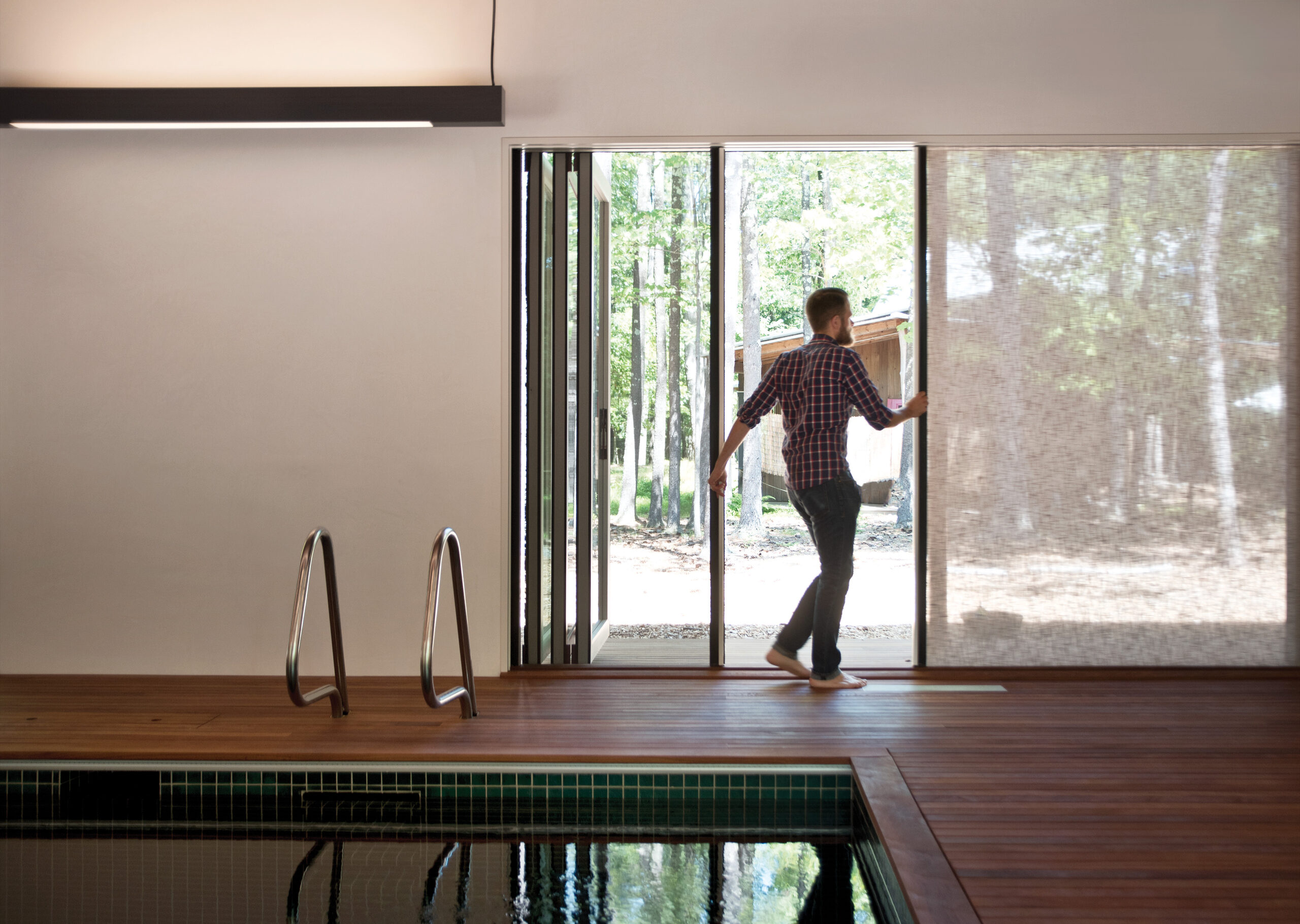
For owners of period and architecturally sensitive homes, the question is not simply whether permission is required, but whether bifold doors can be designed in a way that respects the property’s character. For listed or conservation properties, material choice is particularly important. Timber often aligns more closely with planning expectations than aluminium or uPVC alternatives, making it a more sympathetic and appropriate solution.
At Nine Zero, we specialise in bespoke wooden bifold doors that are crafted to complement heritage architecture while delivering modern performance.
Our doors are:
- Made from FSC-certified timber
- Designed with proportions that suit traditional facades
- Customisable in finish and detailing
- Engineered with high-performance glazing for energy efficiency
- Manufactured to Secured By Design standards
We work collaboratively with homeowners, architects, and developers to ensure designs satisfy both aesthetic and regulatory requirements. The result is a door that enhances natural light and spatial flow without compromising the architectural integrity of your home.
Our experts can help with anything you need
If you’re unsure whether your property requires planning permission or FENSA certification, our team can provide clear guidance tailored to your project.
Contact Nine Zero today to discover how bespoke timber bifold doors can transform a space, beautifully and compliantly.