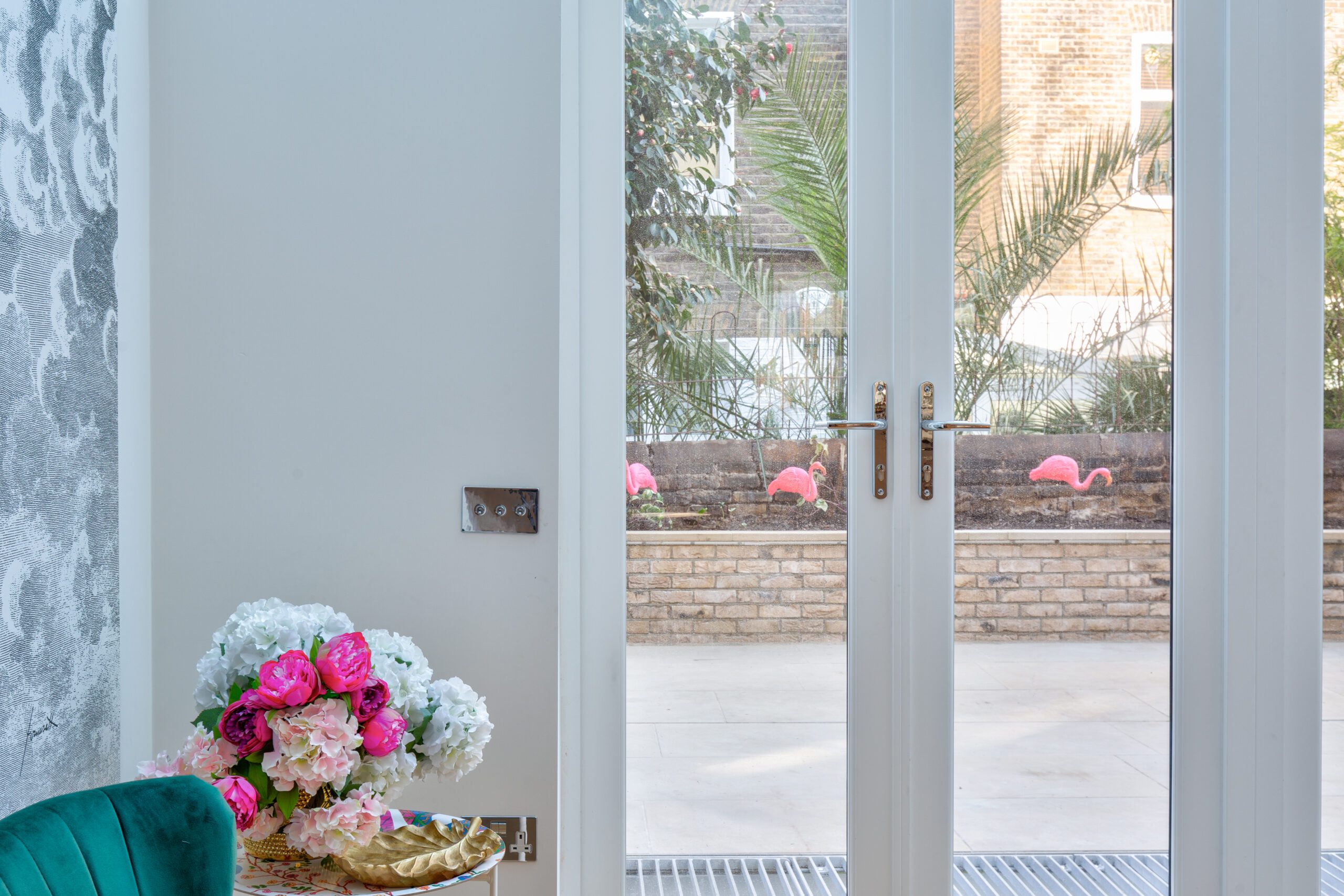
Your door handle affects not just how your door looks, but how it locks, seals, performs, and protects your home. Knowing how to change it properly is important, whether you’re refreshing your entire door’s appearance or replacing worn ironmongery for better security. This guide explains how to change a door handle on an exterior door, what’s the same across different door types, and when it’s best to seek specialist support.
Exterior timber doors covered in this guide
This article applies to all the external timber doors Nine Zero supplies, including:
- Wooden front and back doors (panel doors)
- French doors
- Bifold doors
- Sliding doors
In many cases, the core process for changing the handle is the same. Where specific door types differ, usually due to locking systems or door configuration, we’ll explain that clearly.
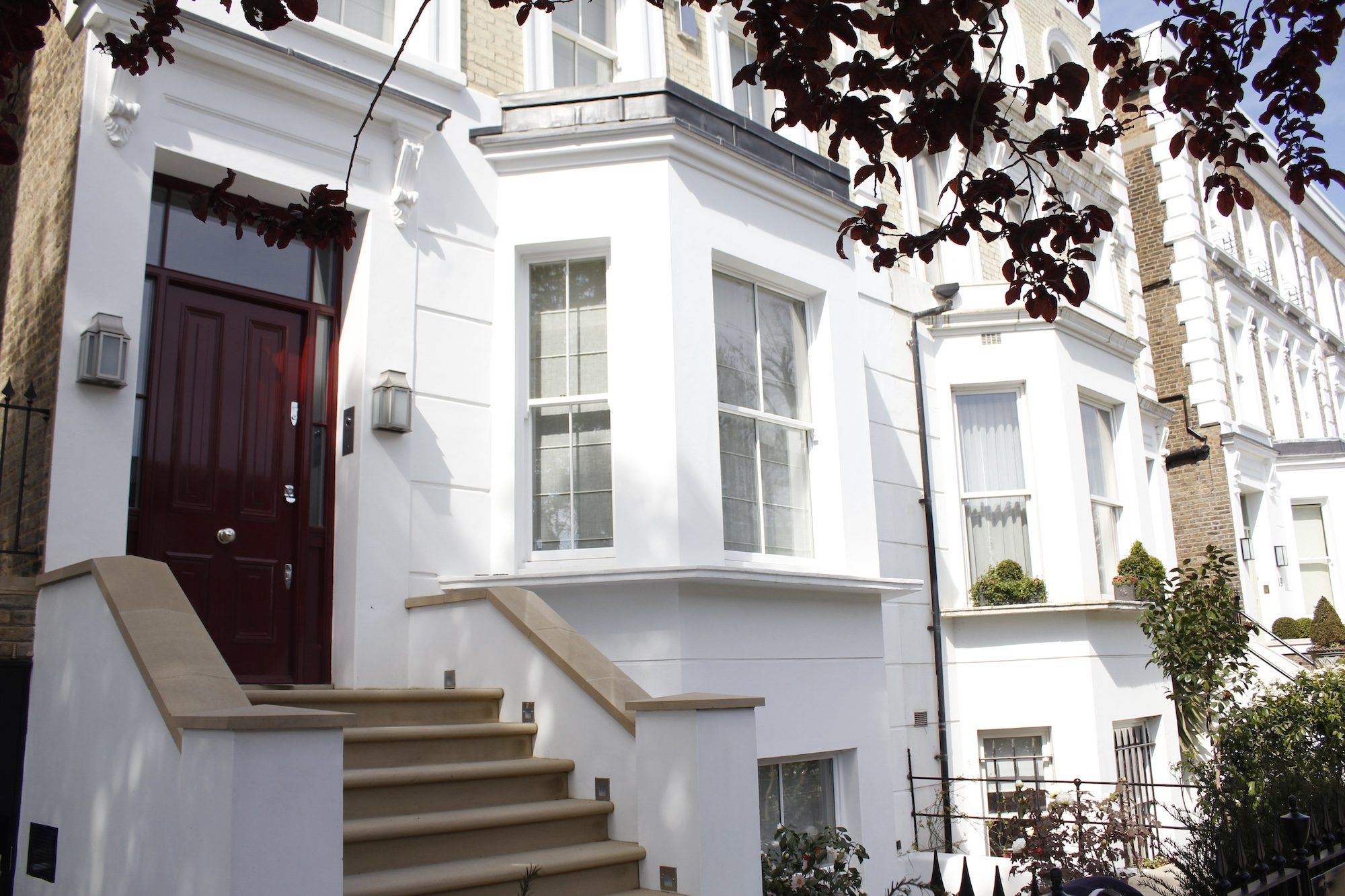
Is changing an exterior door handle a DIY job?
In principle, changing a door handle is often straightforward. However, external doors are very different from internal doors. They are designed to provide security, insulation, and weather resistance, all of which rely on precise alignment and correct installation.
On wooden doors in particular, care is essential. Incorrect fitting can:
- Compromise the locking mechanism
- Damage the timber or paint finish
- Reduce weather sealing and thermal performance
- Affect long-term durability
If your door is relatively new, in good condition, and uses a standard locking system, replacing the handle may be achievable. If the door is bespoke, high-value, heritage, or part of a complex door system, professional fitting is often the safer option.
Tools and parts you’ll need
Before you begin, make sure you have:
- A drill
- A manual screwdriver (usually Pozidriv or Phillips)
- An Allen key (sometimes required for modern handles)
- A hammer
- A chisel
- A measuring tape and pen or pencil
- A soft cloth or masking tape to protect the timber finish
- A replacement exterior-grade handle set, suitable for multipoint locking
Exterior ironmongery must be weather-resistant, secure, and compatible with your existing lock case.
How to change a door handle on an external wooden door
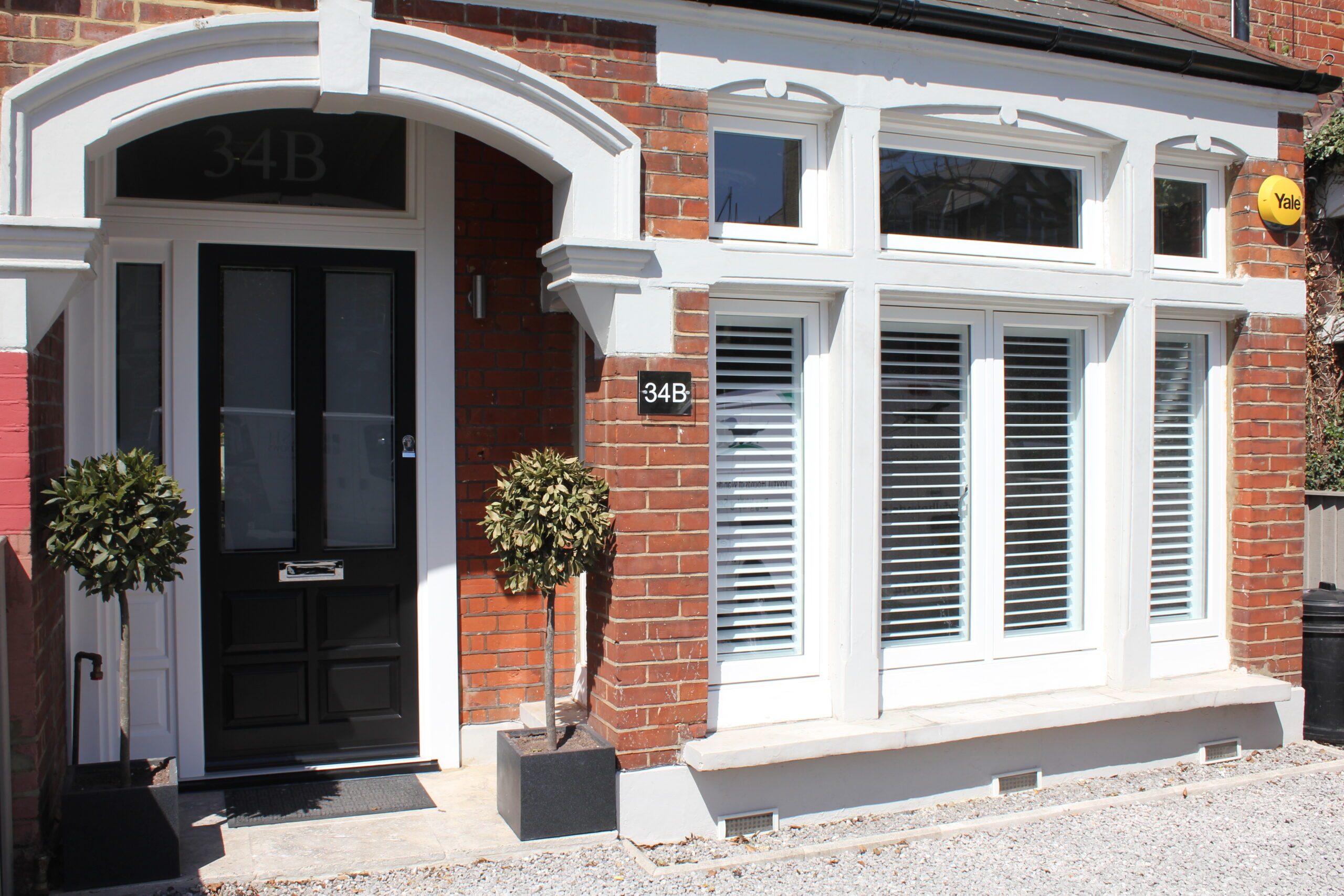
For most wooden front and back doors, the process follows these steps:
- Open the door: Keep the door stable by wedging it open so you can work comfortably without pressure on the hinges. Wedge it open at an angle where you can see both sides of the handle at once.
- Protect the door surface: Place a soft cloth or masking tape around the handle area to prevent accidental scratches to painted or stained timber.
- Remove the internal fixings: Unscrew the fixings on the internal handle plate. These usually pass through the door and hold both handles together.
- Remove the handles and spindle: Carefully pull the handles away from the door and slide out the spindle connecting them through the lock. Then, unscrew the top and bottom screws from the strike plate and pull out the assembly (you may need a chisel for the mechanism).
- Note: The hole left behind by removing the old handle may be suitable for your new one. If it isn’t, you may need to use wood filler or a similar material to fill gaps, a drill to create a new hole for your latch, and a hammer and chisel to cut enough wood for the latch plate to stay flat against the door when finished. Put down dust sheets if you’re concerned about keeping the floor clean when doing this.
- Prepare the new space: Use your tape to measure the distance between the door’s inside edge and the middle of the hole left behind. Mark the measurements with your pen or pencil.
- Check the locking mechanism: Before fitting the new handle, ensure the lock operates smoothly and that nothing is loose or misaligned.
- Fit the new handle: Insert the spindle, align the new plates and both handles, and secure them evenly. Avoid overtightening, as this can compress timber or affect handle movement.
- Test thoroughly: Check that the handle lifts smoothly, the latch engages properly, and the door locks and unlocks cleanly.
This same process applies to many French doors, bifold doors, and sliding doors, but there are important considerations to bear in mind.
French Doors, bifold doors and sliding doors
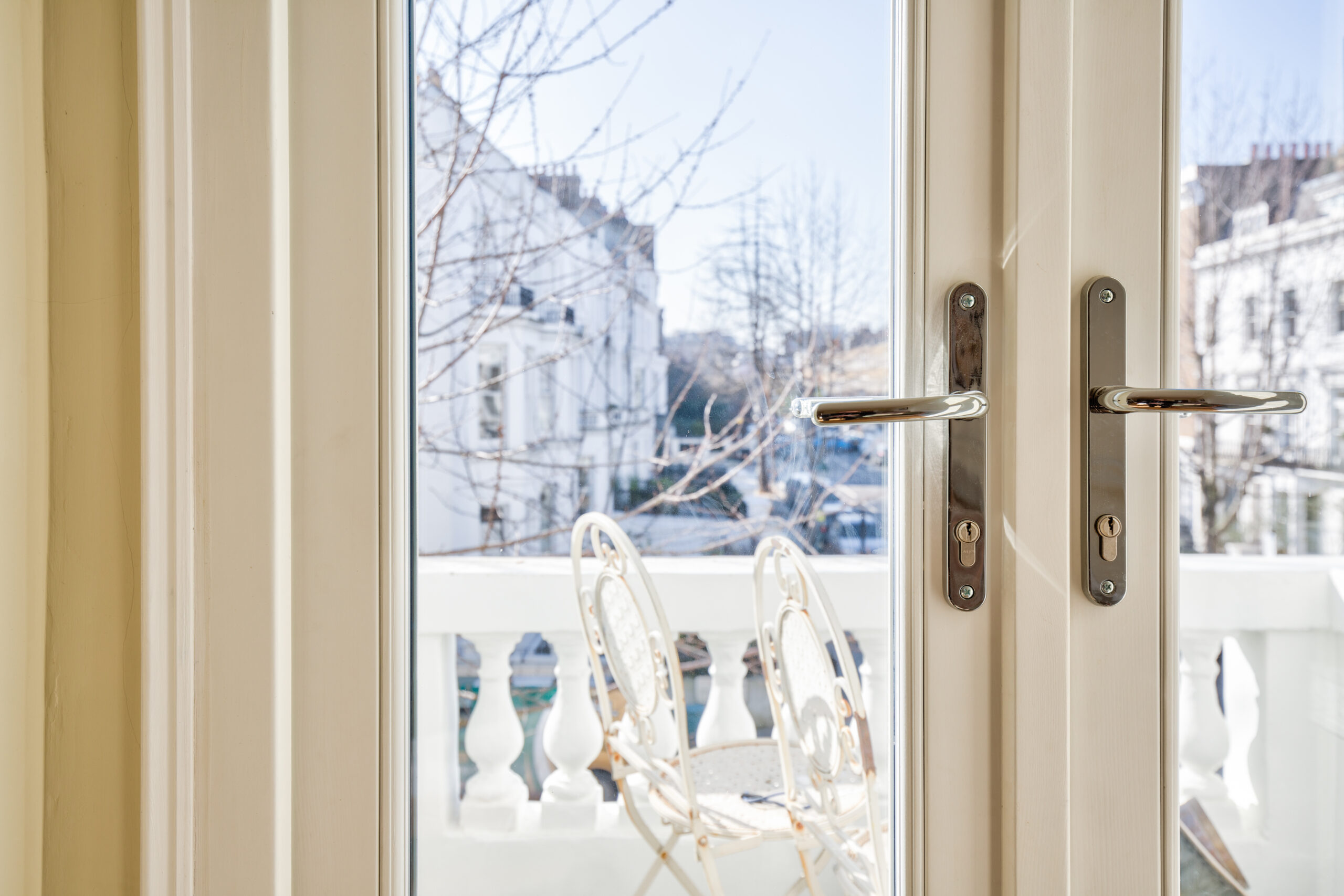
While the handle-changing process itself is often the same as on a standard panel door, the difference lies in how these doors operate as systems and how the new handle interacts with these popular patio door options.
French doors
French doors usually have a master door with the primary locking handle and a secondary leaf secured with bolts. Handles should only be replaced on the master door unless you’re confident about the mechanism.
Bifold doors
Bifold doors rely on precise alignment across multiple panels. Even small changes to handle tension or lock alignment can affect how the doors fold and seal.
Sliding doors
Sliding doors often use specialised locking systems. Although the handle removal process is similar, correct refitting is essential to maintain smooth operation and security.
Common mistakes to avoid
When changing an exterior door handle, avoid:
- Using interior-grade handles outdoors
- Overtightening screws into timber
- Misaligning the spindle or backplates
- Damaging paint or stain finishes
- Compromising weather seals
These issues can shorten the life of the door and affect performance.
When it’s best to call a specialist
Professional support is strongly recommended if:
- The door is bespoke or high-value
- The property is listed or heritage
- The locking system is complex
- The door shows signs of movement or swelling
- You want to protect warranties and long-term performance
A specialist will not only understand the lock but will also understand the entire door system, meaning a greatly reduced risk of the process going wrong.
Why ironmongery matters on exterior wooden doors
The right hardware enhances performance, protects the timber, and complements the character of the property.
At Nine Zero, we specify and install ironmongery that meets the standards of Secured By Design and works in harmony with our doors, ensuring durability, smooth operation, and long-term peace of mind.
Get a full upgrade for an external wooden door
If you or a client is experiencing issues with an existing door or wants expert advice for a renovation or upgrade, our team is here to help. Get in touch with Nine Zero to discuss a new exterior door for your home or project.