Few architectural features create the same sense of light, symmetry, and quiet elegance as a pair of French doors. They frame garden views, soften the boundary between indoors and out, and bring balance to both period and contemporary homes alike. But what exactly are French doors, and what sets them apart from other types of external doors?
Understanding their structure, history, and performance benefits can help you decide whether they’re the right choice for your property. In this guide, we’ll explain everything you need to know.
What are French doors?
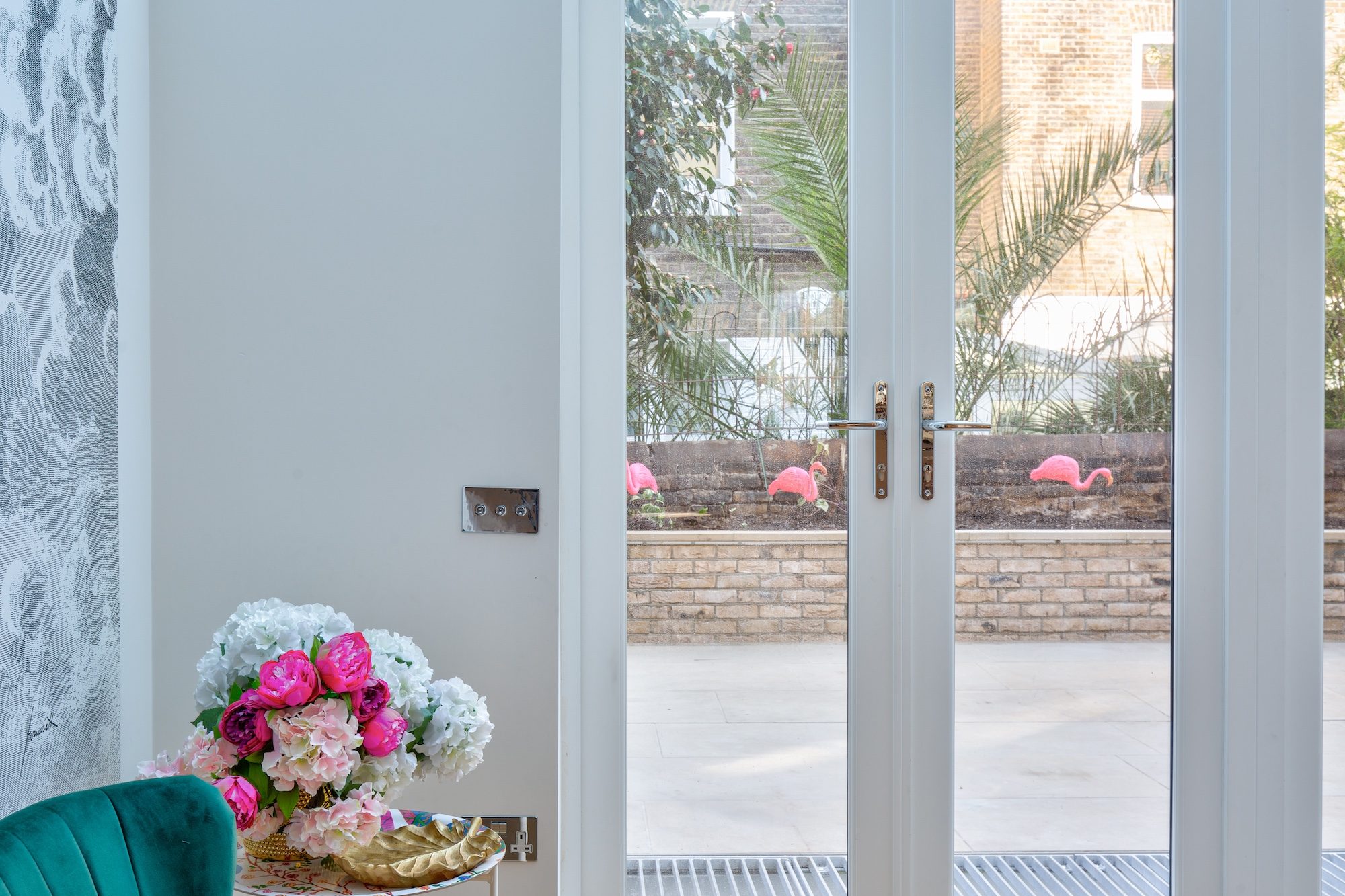
French doors are a pair of side-hinged doors that open from the centre. Unlike solid entrance doors, they are predominantly glazed, traditionally featuring multiple panes of glass set within a frame (made from timber, in our case). However, modern interpretations often use larger glazed panels for improved views and performance.
Each door leaf is hinged to the outer frame, allowing the door to swing either inwards or outwards. When closed, they meet neatly in the middle, creating a symmetrical, balanced appearance.
Why are they called “French” doors?
French Doors originated in 16-17th-century France, during the Renaissance period, when architecture emphasised proportion, symmetry and natural light. French designers began installing tall, narrow windows that extended down to floor level, effectively creating glazed openings that allowed light to flood interior spaces. Over time, these evolved into double doors featuring glass panes running almost the full height of the frame.
The difference between French doors and patio doors
You may find that professionals refer to them specifically as French doors, not “patio doors”, although they are often used to access patios and terraces. The term “patio door” is a broader, retail phrase that can also refer to sliding doors and bifold doors. French doors, by contrast, are defined by their hinged operation and architectural detailing.
Architecturally, French doors tend to feel more classical and symmetrical, making them particularly well-suited to period properties, heritage renovations, and homes where detailing matters. Sliding doors and bifold doors, which are practical for wider openings and spaces where swing clearance is limited, often lean toward a more contemporary aesthetic.
How do French doors work?
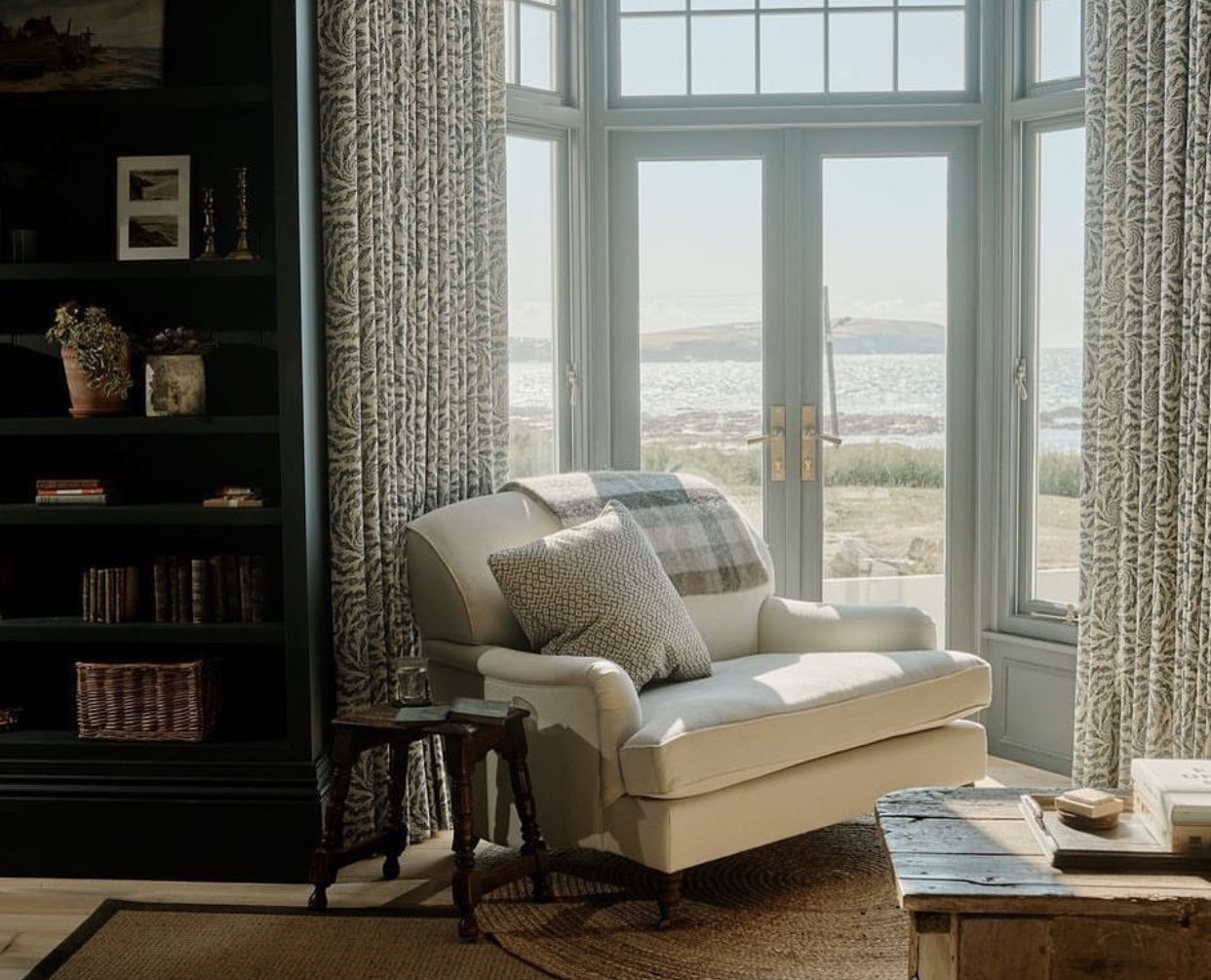
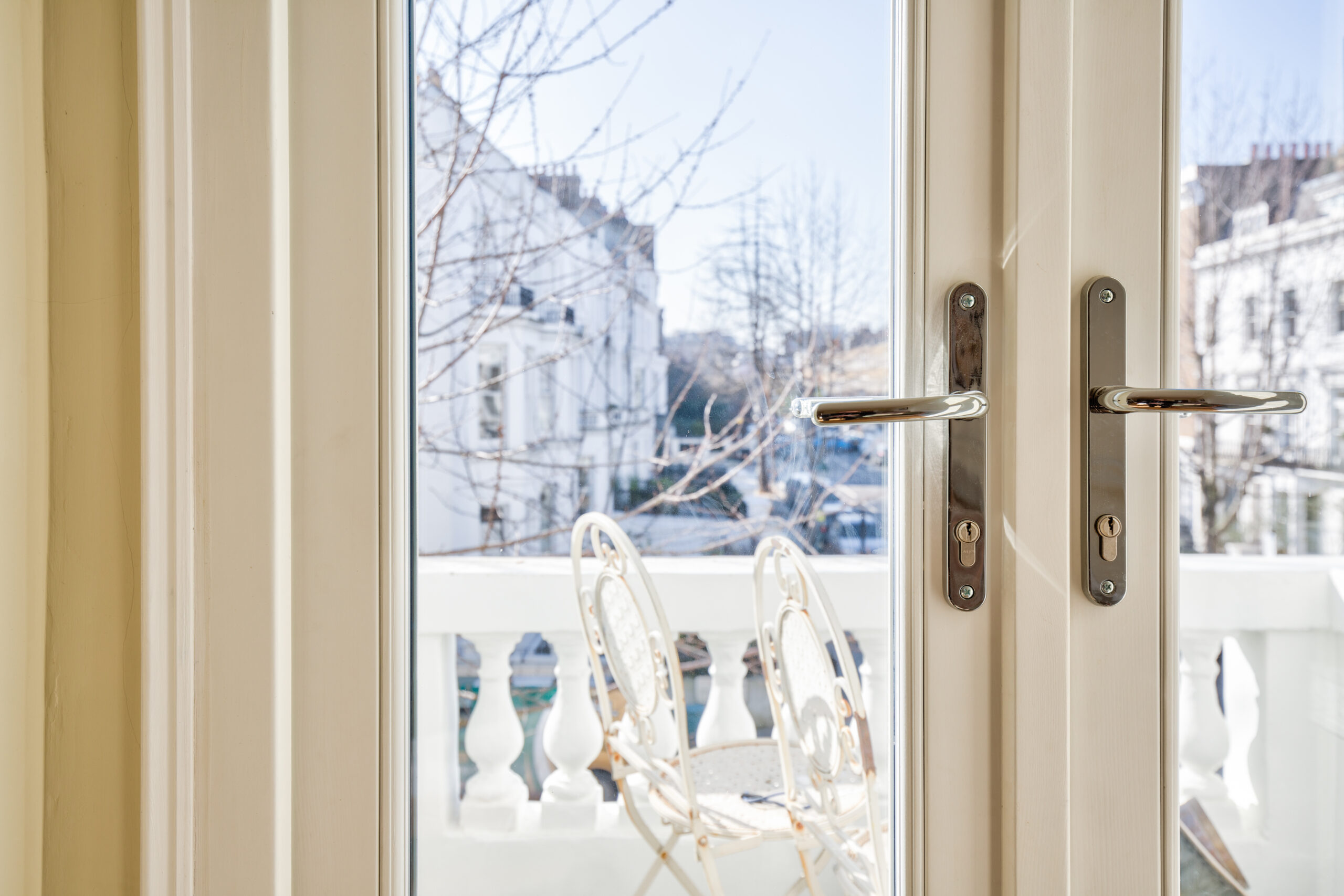
French doors operate on a simple yet highly engineered system. Typically, one door acts as the primary leaf, opening independently for everyday use. The second door is secured in place using discreet shoot bolts at the top and bottom. When both doors are opened together, they create a generous, unobstructed opening. This is ideal for entertaining, improving airflow, or enhancing access to outdoor spaces.
The advantages of French doors
Timeless Aesthetic Appeal
French doors introduce balance and proportion to a façade. Their symmetrical design enhances both traditional and modern elevations.
Increased natural light
With extensive glazing, they allow daylight to move freely through interior spaces, making rooms feel brighter and more open.
Seamless indoor–outdoor connection
When fully opened, French doors create an inviting transition to gardens, terraces or balconies.
Versatility
They are suitable for rear extensions, garden rooms, listed properties, and even as internal room dividers.
Security and performance
When professionally manufactured and installed, modern French doors offer excellent thermal insulation, weather resistance and multi-point locking security.
Modern French doors typically incorporate multi-point locking systems for enhanced security, high-performance glazing for thermal efficiency, and carefully designed thresholds to ensure smooth transitions between inside and out.
Considerations before installation
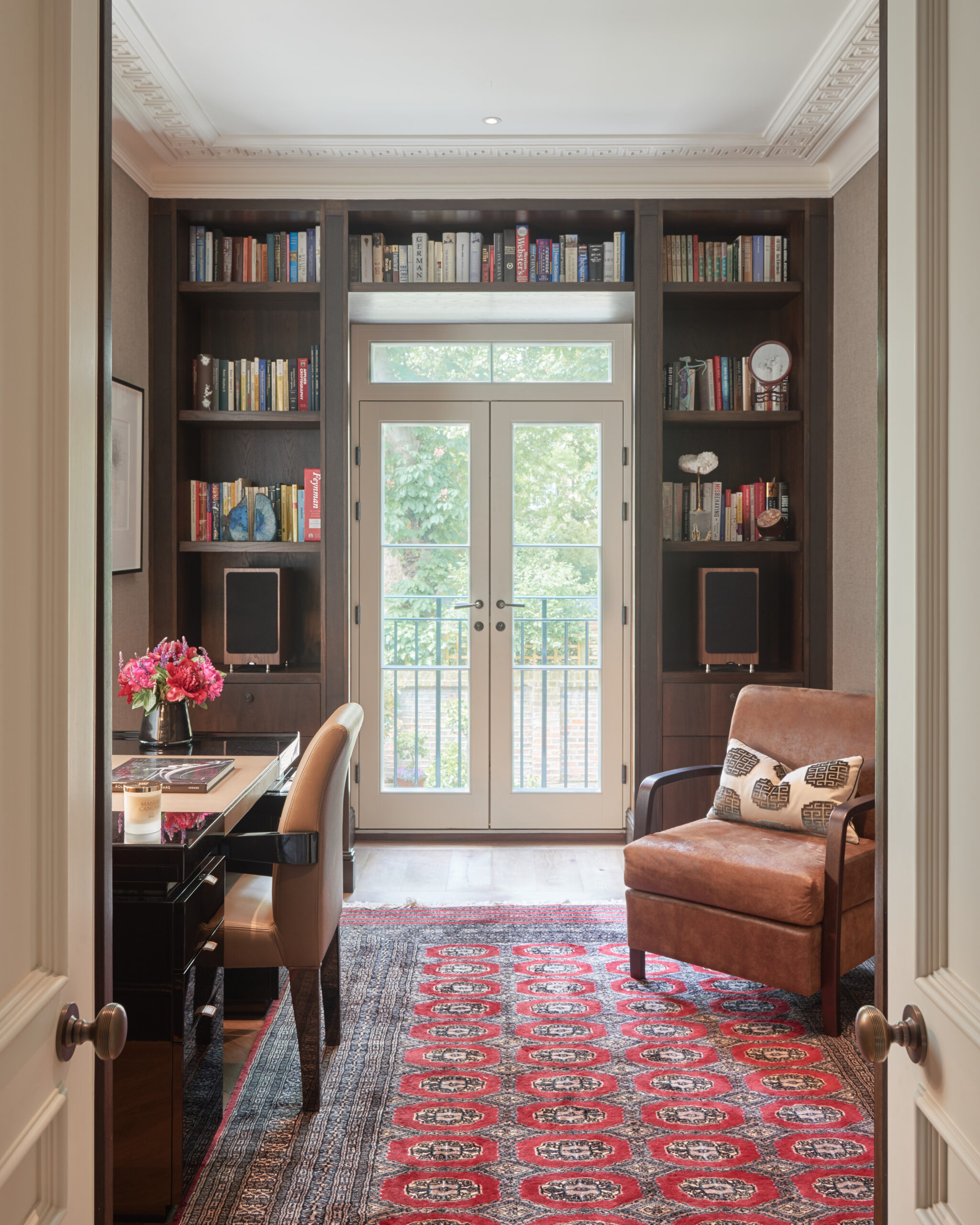
French doors require space to swing open, which may not suit every layout. For particularly wide openings, bifold or sliding systems may offer greater span flexibility.
If you’re considering a set of wooden doors, maintenance should also be considered. However, high-quality engineered timber and advanced paint systems significantly reduce ongoing upkeep compared to older or more economical timber installations.
Are French doors right for your property?
French doors are particularly well-suited to:
- Period and heritage homes
- Listed properties requiring sympathetic design
- High-end extensions
- Garden rooms and rear elevations
- Properties where symmetry and detailing are important
Their adaptability means they can be manufactured to match existing sash or casement windows, ensuring architectural consistency throughout the property.
Why our timber French doors offer lasting value
At Nine Zero, our wooden French doors are designed to preserve the character of a building while incorporating modern glazing, secure locking systems made to Secured By Design standards, and long-term guarantees, including up to 30 years on timber components.
Our material choice makes a significant difference. Timber provides natural insulation, strength, and longevity. It’s also sourced responsibly from FSC-certified suppliers and precision-manufactured in our workshop in Cornwall, ensuring both sustainability and durability.
Unlike uPVC alternatives, timber can be repaired and refinished over time, extending its lifespan considerably. It also allows for greater customisation, which is essential when we’re working on heritage properties or collaborating with architects and developers.
Considering French doors for your project?
Whether you’re renovating a period property, designing a new extension, or specifying doors for a development, timber French doors remain one of the most elegant and versatile choices available.
If you’d like guidance on selecting the right specification for your property, our team will be glad to help. Get in touch to discuss your project and explore bespoke timber French door options tailored to your design and performance requirements.