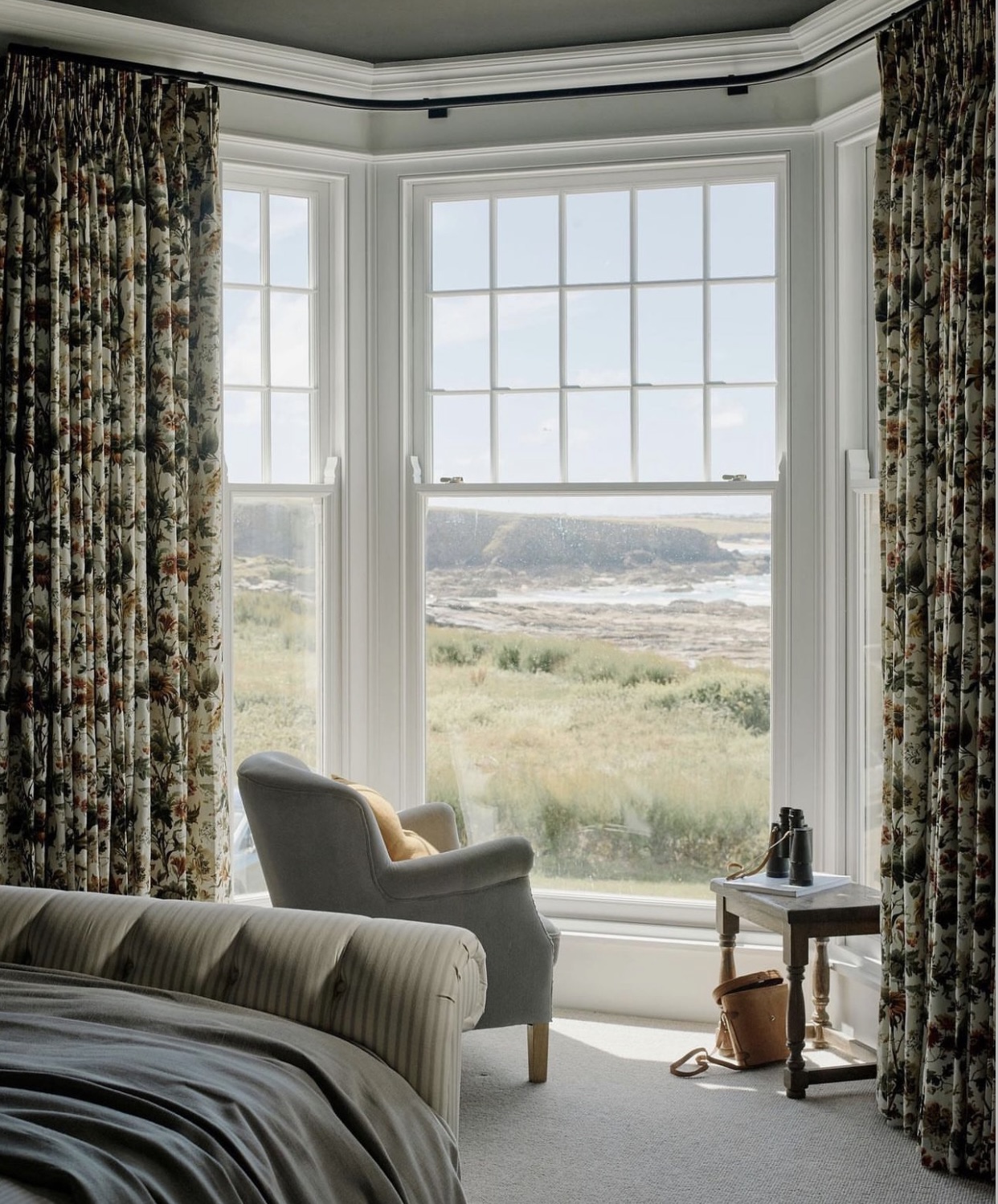
Properly insulated windows play an important role in keeping a property warm, comfortable, and energy-efficient throughout the year. Whether you’re renovating a period home, upgrading an older property, or specifying windows for a new development, effective insulation can help reduce heat loss, minimise draughts, and prevent unwanted outside noise from entering the building.
However, not all windows require the same approach. Traditional sash windows, casement windows, and bay windows each have different designs and potential insulation challenges. Similarly, older windows may benefit from targeted improvements not required by newer ones, while severely deteriorated units may need replacing altogether.
In this guide, we’ll explore how to insulate windows against both cold and noise, the different methods available for each window style, and when investing in modern, energy-efficient timber windows may be the best long-term solution.
Why is window insulation important?
Windows are an important part of a property’s thermal envelope, helping to regulate indoor temperatures and maintain a comfortable living environment. However, poorly insulated windows can allow heat to escape during colder months, increasing the amount of energy needed to keep rooms warm.
Heat can be lost through the glass itself, through gaps between opening sections and frames, or around poorly sealed window installations. This is particularly common in older properties where timber frames may have moved, seals have deteriorated or original single glazing remains in place.
Improving window insulation offers several benefits:
- Reduced heat loss: Better glazing and properly sealed frames help retain warmth inside the property.
- Lower heating costs: Reducing unnecessary heat loss can decrease the energy required to maintain comfortable temperatures.
- Fewer cold draughts: Effective seals prevent unwanted air entering around window frames and opening sections.
- Improved acoustic comfort: Appropriate glazing and draught-proofing can help reduce noise from traffic, neighbours, and other external sources.
- Greater year-round comfort: Well-insulated windows can help maintain more consistent indoor temperatures at any time of year – including during winter.
It’s also important to remember that insulation should work alongside adequate ventilation. While eliminating unwanted draughts is beneficial, properties still require appropriate ventilation to manage moisture and maintain healthy indoor air quality.
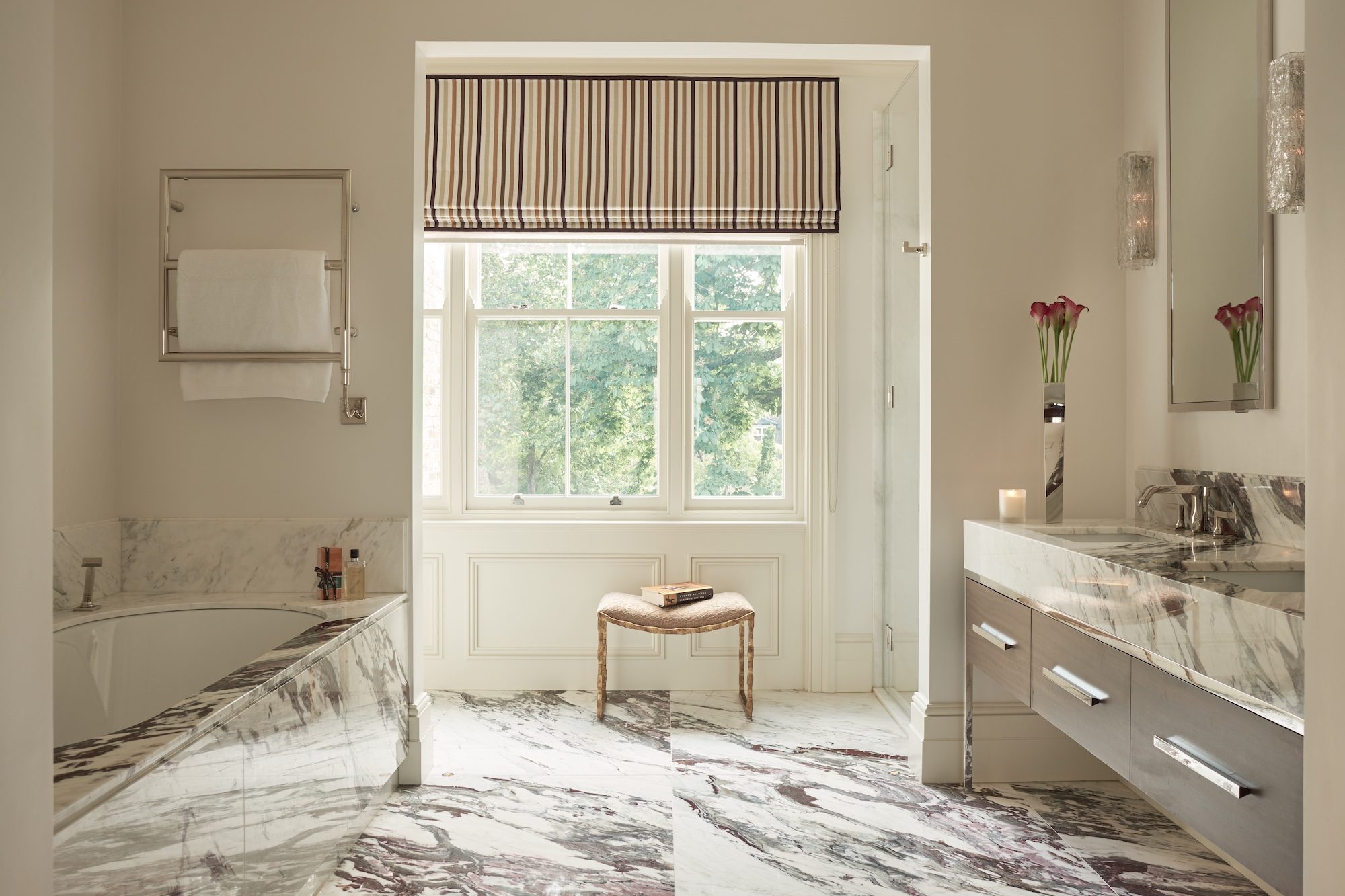
How to insulate windows against the cold
There are several ways to improve a window’s thermal performance, ranging from relatively simple adjustments to more substantial upgrades. The most suitable solution will depend on the window’s age, condition, design and existing glazing.
Draught-proofing windows
Draught-proofing is often one of the simplest and most cost-effective ways to improve window insulation, particularly in older timber windows. Over time, small gaps can develop between opening sections and their surrounding frames. These allow cold air to enter and warm air to escape, even when the windows are closed.
Common draught-proofing methods include:
- Weatherstripping: These are flexible sealing strips fitted around opening sections to prevent air leakage.
- Brush seals: These are particularly useful for sliding sash windows, where the seal must accommodate movement.
- Compression seals: These are designed to create a tight seal when casement windows are closed.
- Frame sealants: These are suitable for sealing appropriate stationary gaps between window frames and surrounding building materials.
Before installing new seals, it’s important to check that windows are correctly aligned and operating as intended. Poorly fitted draught-proofing can make windows difficult to open or close. You should also take care not to obstruct drainage channels or ventilation provisions.
Installing double or triple glazing
Glass and glazing has a significant influence on how effectively windows retain heat. Traditional single-glazed windows offer relatively limited thermal insulation because heat transfers readily through the glass. Double glazing improves performance by introducing a sealed cavity between two panes of glass, reducing heat transfer.
Modern energy-efficient glazing may incorporate several features:
- Low-emissivity (Low-E) coatings that reduce radiant heat transfer.
- Argon-filled cavities that improve insulation compared with ordinary air-filled units.
- Warm-edge spacers that help reduce heat loss around the edges of the glazing.
Triple glazing introduces a third pane and an additional insulating cavity, potentially improving thermal performance further.
However, triple glazing isn’t automatically the best option for every project. Factors such as frame design, weight, installation requirements, cost and the property’s overall insulation should all be considered. For many renovations and replacement projects, well-specified double-glazed timber windows will provide a more effective balance between energy efficiency, appearance, and practicality.
Adding secondary glazing
Secondary glazing involves installing an additional glazed panel on the interior side of an existing window. This creates an insulating air gap between the original glazing and the secondary unit, helping reduce heat loss and draughts.
Secondary glazing can be particularly useful in period properties where retaining original windows is desirable or where replacing historic glazing may be restricted. Depending on the design, it can also offer substantial acoustic benefits.
However, appropriate ventilation and careful installation are important to reduce the risk of condensation forming between the two glazed surfaces.
Using thermal curtains, blinds, and window films
Not every insulation improvement requires alterations to the window itself. Thermal curtains and insulating blinds can help reduce heat loss, particularly overnight when temperatures fall. Close-fitting designs are generally more effective because they limit air circulation between the window and the room.
Specialist window films may also improve aspects of glazing performance, although their effectiveness varies considerably depending on the product and existing glass.
These options can be useful supplementary measures, particularly where more extensive upgrades aren’t immediately practical. However, they won’t necessarily resolve problems caused by damaged frames, significant draughts, or poorly performing glazing.
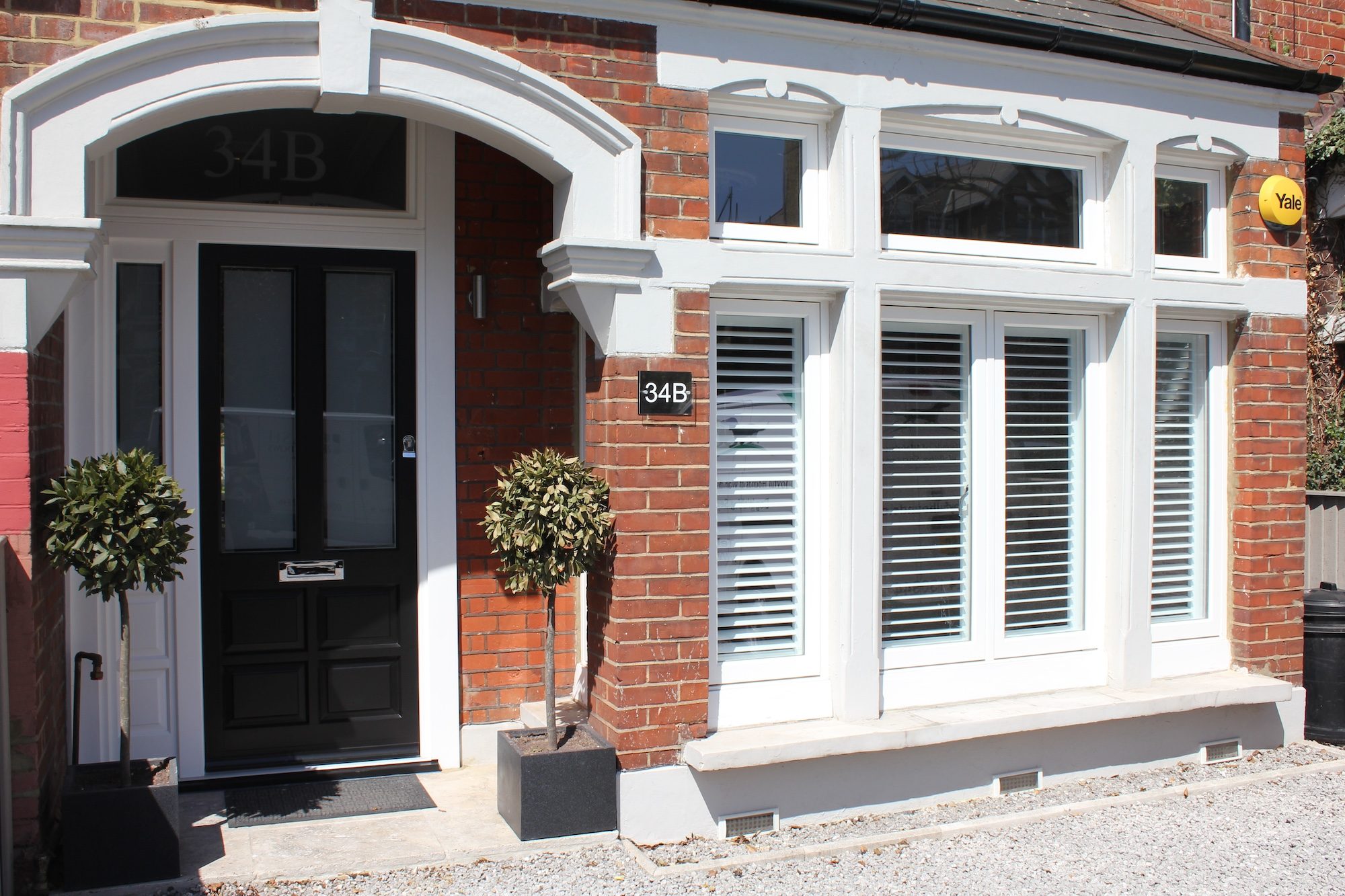
How to soundproof windows and reduce outside noise
While thermal insulation focuses on reducing heat transfer, acoustic insulation aims to limit sound passing through the window. This is particularly important for properties near busy roads, railway lines, airports, or other sources of persistent external noise.
Although some insulation improvements benefit both thermal and acoustic performance, the most effective solutions aren’t always identical.
Acoustic glazing and laminated glass
Acoustic glazing is designed to reduce the transmission of sound through a window. One common approach involves using laminated glass containing a specialist acoustic interlayer. This helps dampen vibrations and reduce sound transmission.
Different glass thicknesses and carefully specified glazing cavities can also improve acoustic performance.
For projects where noise reduction is a priority, the complete glazing specification should be considered rather than assuming that standard double or triple glazing will automatically deliver the best results.
Acoustic seals and draught-proofing
Even high-performance acoustic glazing can be undermined by gaps around the window. Sound travels through openings in much the same way as unwanted air, making properly fitted seals essential. Replacing worn weatherstripping, adjusting poorly aligned opening sections and sealing suitable gaps around frames can all help reduce external noise.
For the best results, acoustic improvements should consider the complete window assembly, including the glazing, frames, seals, and installation.
Secondary glazing for noise reduction
Secondary glazing can be particularly effective for sound insulation when designed with a sufficiently large gap between the original window and the additional glazed panel. This separation helps reduce the transfer of sound vibrations.
When combined with suitable acoustic glass and effective perimeter seals, secondary glazing can offer substantial noise reduction while preserving the appearance of existing windows. It’s often worth considering for properties that need to retain the original windows to preserve character.
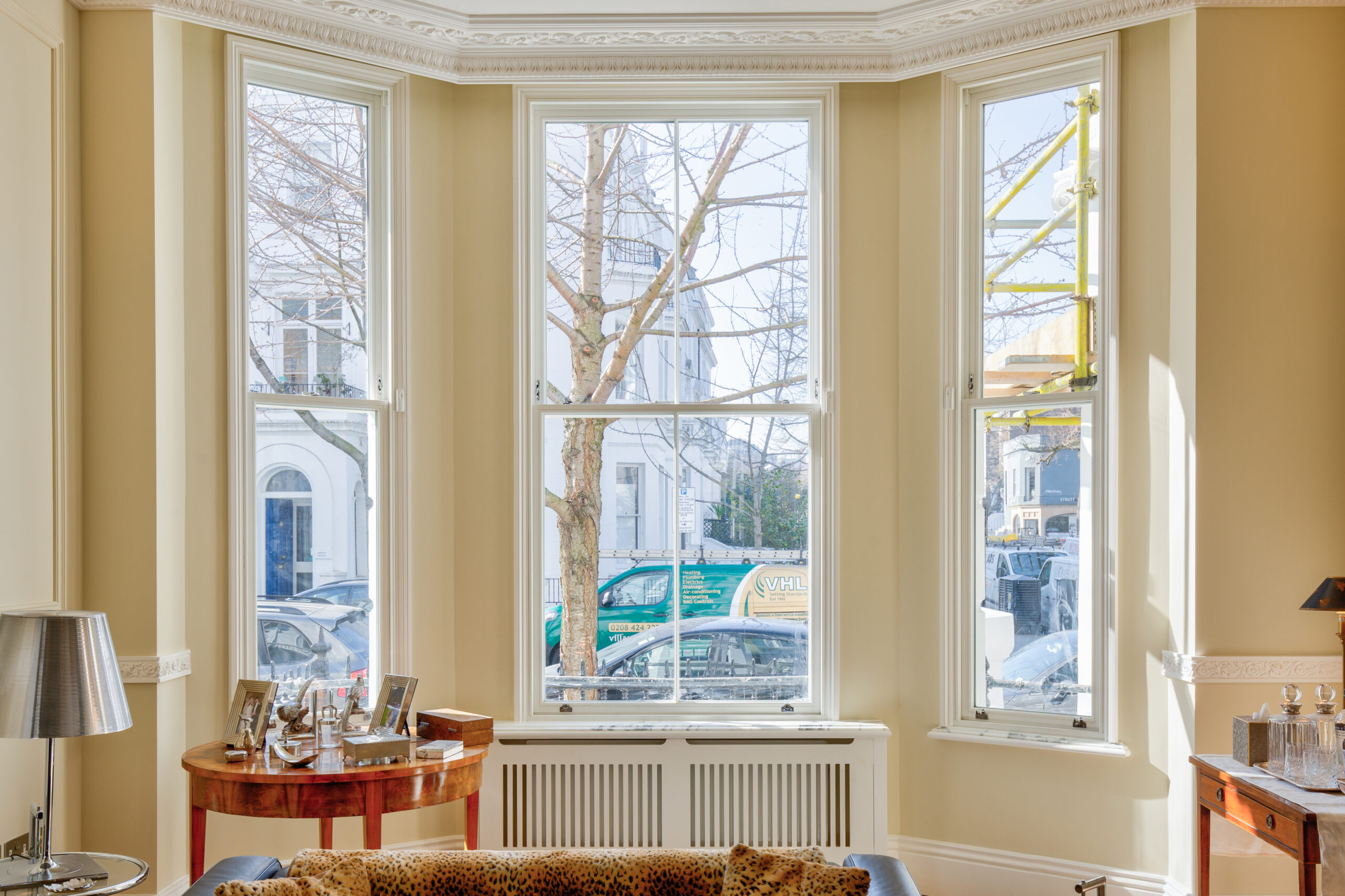
How to insulate different types of windows
Different window styles have distinct construction details and opening mechanisms, which influence where heat loss and air leakage may occur. Understanding these differences can help identify the most appropriate insulation improvements.
How to insulate sash windows
Traditional sash windows are a defining feature of many Georgian, Victorian, and Edwardian properties. However, older examples can become draughty as timber components wear or move over time. For traditional box sash windows, common areas of air leakage include the meeting rails, the gaps between sliding sashes and frames, and the surrounding sash boxes.
Effective insulation measures include:
- Installing brush seals around sliding sections and meeting rails
- Adjusting or repairing poorly fitting sashes
- Addressing gaps around sash boxes and surrounding frames
- Introducing secondary glazing where appropriate
- Upgrading glazing where the existing frames can safely accommodate it
For properties requiring more substantial improvements, modern timber sash windows can replicate traditional proportions and detailing while incorporating contemporary glazing and draught-proofing.
Both box sash and spring sash designs can provide improved thermal performance when properly specified and installed.
How to insulate casement windows
Casement windows generally open on hinges, making their insulation requirements different from those of sash windows. Poorly adjusted hinges, worn seals and misaligned opening sections can all create gaps that allow cold air and noise to enter.
To improve insulation, check that the casements close securely against their frames and that all perimeter seals remain in good condition. Replacing damaged compression seals, adjusting hinges and repairing deteriorated timber can make a noticeable difference, and older single-glazed casements may also benefit from glazing upgrades where their construction allows.
Alternatively, modern timber flush casement windows combine a traditional, streamlined appearance with energy-efficient glazing and carefully engineered seals, making them suitable for both heritage renovations and contemporary projects.
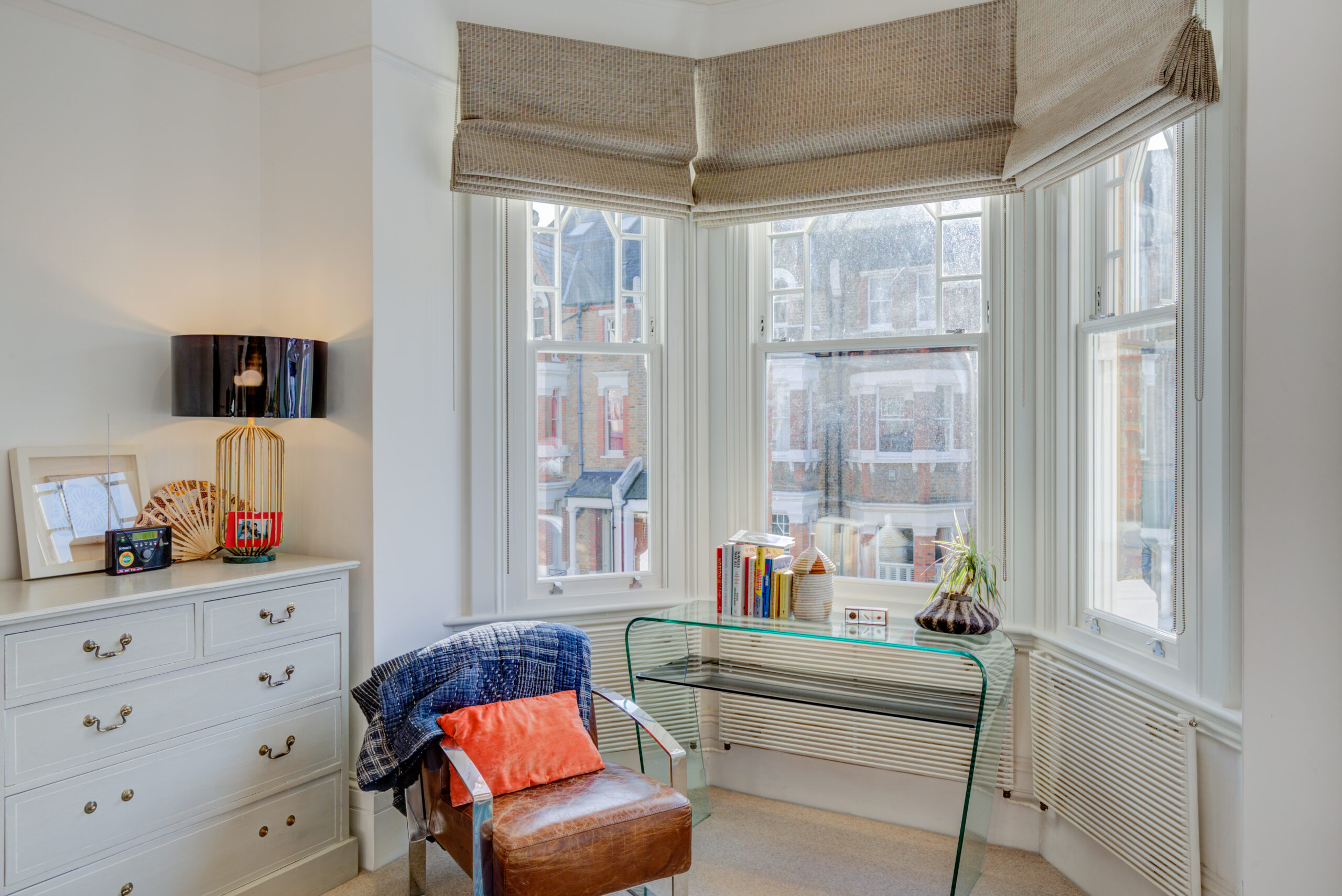
How to insulate bay windows
Bay windows are often made up of several individual window units arranged at angles or across a projecting structure. They may incorporate sash windows, casement windows, or a combination of both.
Because bay windows have multiple frames and structural junctions, there can be more potential areas for heat loss. When insulating them, it’s important to consider the entire structure rather than focusing solely on the glass.
Potential improvements include:
- Draught-proofing individual opening sections
- Sealing appropriate gaps between adjoining frames
- Upgrading poorly performing glazing
- Inspecting the insulation around bay roofs and window seats
- Addressing gaps between the bay structure and surrounding walls
Where existing windows require replacement, ensuring that every unit is correctly measured, specified, and installed will help achieve consistent thermal and acoustic performance throughout the bay.
How to insulate old windows without replacing them
Older timber windows don’t necessarily need replacing simply because they are draughty or single-glazed. In many period properties, original windows contribute significantly to the building’s architectural character. Preserving them may be desirable from both a conservation and sustainability perspective.
Where the timber remains structurally sound, careful restoration can often improve performance. This may involve repairing damaged components, adjusting poorly fitting sashes or casements, installing discreet draught-proofing and introducing secondary glazing. In some circumstances, upgrading existing glazing may also be possible, although this depends on the dimensions, strength, and condition of the original frames.
For listed buildings and properties within conservation areas, additional restrictions may apply to window alterations. Listed building consent may be required, and planning permission requirements should be checked before proceeding.
Working with professionals experienced in traditional window construction can help identify improvements that respect the building’s original appearance while addressing modern comfort requirements.
When should you replace your windows for better insulation?
Although many windows can be improved through repairs and upgrades, replacement may become the more practical long-term option when existing units are severely deteriorated or unable to provide the required performance.
Signs that replacement may be worth considering include:
- Persistent draughts that remain after appropriate repairs and sealing
- Extensive timber decay affecting the structural integrity of the frames
- Failed double-glazed units that cannot be economically repaired or replaced
- Windows that no longer open, close, or lock correctly
- Significant heat loss or external noise that cannot be adequately addressed through suitable upgrades
Replacing older windows can also provide an opportunity to improve security, ease of operation, and long-term durability.
For period properties, replacement doesn’t have to mean sacrificing traditional character. Modern bespoke timber windows can be manufactured to closely match historic proportions, glazing arrangements and decorative details while incorporating improved thermal and acoustic performance.
The decision should ultimately consider the condition of the existing windows, the property’s architectural requirements, and the improvements needed.
Choosing energy-efficient timber windows for your project
When specifying replacement windows for a renovation, restoration, or new development, it’s important to look beyond the glazing to the performance. This depends on how its individual components work together, from the timber frame and glazing to the seals, hardware, and installation.
Several factors are worth considering.
Whole-window U-values: U-values measure the rate of heat transfer through a building element. Lower values indicate better thermal insulation. When comparing windows, check the whole-window U-value rather than relying solely on the performance of the glazing.
Acoustic performance: Properties exposed to substantial external noise may benefit from specialist acoustic glazing and enhanced sealing arrangements.
Timber quality and sustainability: Responsibly sourced timber provides a durable, versatile material suitable for both traditional and contemporary window designs.
Architectural compatibility: Replacement windows should complement the building’s proportions, detailing, and character, particularly when working on period properties.
Installation quality: Even a well-designed window can underperform if gaps, thermal bridges, or poor seals are introduced during installation.
Maintenance and warranties: Durable finishes, suitable maintenance and comprehensive guarantees can help protect the long-term performance of the windows.
For architects, installers, and developers, working with an experienced timber window supplier can also simplify the specification process and help ensure the chosen products meet both design and performance requirements.
At Nine Zero, our bespoke timber windows are crafted using FSC-certified timber, combining traditional design expertise with modern manufacturing technology. With customisable finishes, glazing and hardware, our windows can be tailored to suit the specific requirements of renovation, restoration and new-build projects.
Improve your property’s insulation with Nine Zero
Whether you’re restoring a period property or planning a new development, choosing the right windows can make a lasting difference to energy efficiency, comfort and acoustic performance. We provide bespoke timber sash and casement windows designed to combine traditional craftsmanship with modern performance.
Get in touch with us to discuss your project and discover how our expertly crafted timber windows can help you achieve the right balance of appearance, insulation, and long-term durability.