Condensation on windows and doors is a familiar sight in many UK homes, particularly when temperatures begin to fall. A small amount of moisture on the glass from time to time isn’t necessarily cause for concern, but regular or excessive condensation can indicate that there is too much moisture in the air or insufficient ventilation within a property.
If left to build up, condensation can encourage mould growth and leave moisture sitting against glazing, frames, and surrounding finishes. For those who own a set of our timber windows and doors, managing this moisture is an important part of keeping them looking and performing their best.
Fortunately, there are plenty of practical ways to help prevent condensation, and understanding why it develops is the first step.
What causes condensation in windows and doors?
Condensation occurs when warm air containing water vapour meets a sufficiently cold surface. As the air cools, it can no longer hold the same amount of moisture, causing water droplets to form. Windows and external doors are particularly susceptible because they form part of the boundary between a heated interior and colder outdoor conditions.
Everyday activities can add surprising amounts of moisture to the air. Cooking, showering, bathing, and drying clothes indoors can all increase humidity. If that moisture can’t escape through effective ventilation, it may eventually settle on colder surfaces around the property.
It’s also important to consider where the condensation is appearing. Moisture on the room-facing side of the glass often relates to indoor humidity and temperature, while occasional condensation on the outside of high-performance glazing can actually occur because the glass is insulating effectively.
Condensation trapped between panes, however, may indicate a problem with the sealed glazing unit.
How to prevent condensation in timber windows and doors
Preventing condensation largely comes down to managing the balance between humidity, temperature, and ventilation within your home. A few everyday changes can make a noticeable difference.
Improve ventilation throughout your property
Good ventilation allows moisture-laden air to leave the property before it settles on cold surfaces. Opening windows for short periods can help introduce fresh air and encourage circulation, even during colder months. Where trickle vents are installed, keeping them open can also provide background ventilation without requiring windows to remain fully open.
Pay particular attention to rooms that naturally generate more moisture, such as kitchens, bathrooms, and utility rooms.
Use extractor fans in high-moisture areas
Extractor fans are designed to remove humid air before it travels into other areas of the property. Use kitchen extraction when cooking and bathroom fans when bathing or showering. Allowing extraction to continue for a short period afterwards can also help remove moisture that remains in the room.
Maintain a more consistent indoor temperature
Condensation becomes more likely when warm, humid air encounters very cold surfaces. Maintaining a reasonably consistent indoor temperature can therefore help reduce the temperature differences that encourage condensation.
Good-quality, thermally efficient windows and doors can also help keep their internal surfaces warmer than older, poorly insulated alternatives.
Reduce excess moisture inside the property
Alongside ventilation, reducing how much moisture enters the indoor air can make condensation easier to control. You can:
- Dry clothes outside whenever practical or ventilate the room thoroughly when drying them indoors.
- Put lids on pans when cooking to limit the amount of steam released.
- Keep bathroom doors closed when showering or bathing and ventilate afterwards.
- Avoid covering or blocking ventilation points.
- Use a dehumidifier where excessive indoor humidity remains a problem.
- Leave sufficient space around large pieces of furniture to encourage air circulation.
These measures are particularly worthwhile during autumn and winter, when windows and external doors are naturally colder.
Allow air to circulate around windows and doors
The way a room is furnished can also affect condensation. Heavy curtains and blinds can trap cooler air next to windows and glazed doors, while furniture positioned very close to them may restrict circulation. Creating enough space for warmer room air to move around the glass and frames can help prevent cold pockets from developing.
Remove condensation when you see it
While addressing the cause should always be the priority, don’t allow significant amounts of condensation to remain sitting on your windows or doors. Wipe moisture away with a clean, dry cloth, paying particular attention to the bottom of glazing, frames, and surrounding surfaces. Regularly removing standing water helps protect decorative finishes and reduces the conditions in which mould can develop.
Damp prevention tips for sash, bay, and casement windows
The design and position of individual windows can influence where condensation becomes most noticeable. With timber sash windows, regular ventilation is particularly useful. Opening the windows when conditions allow can create airflow through the room, while modern, well-fitted sash window designs can combine the traditional proportions of period joinery with improved thermal performance.
For timber flush casement windows, using opening sections regularly and keeping any fitted ventilation clear can help control indoor humidity.
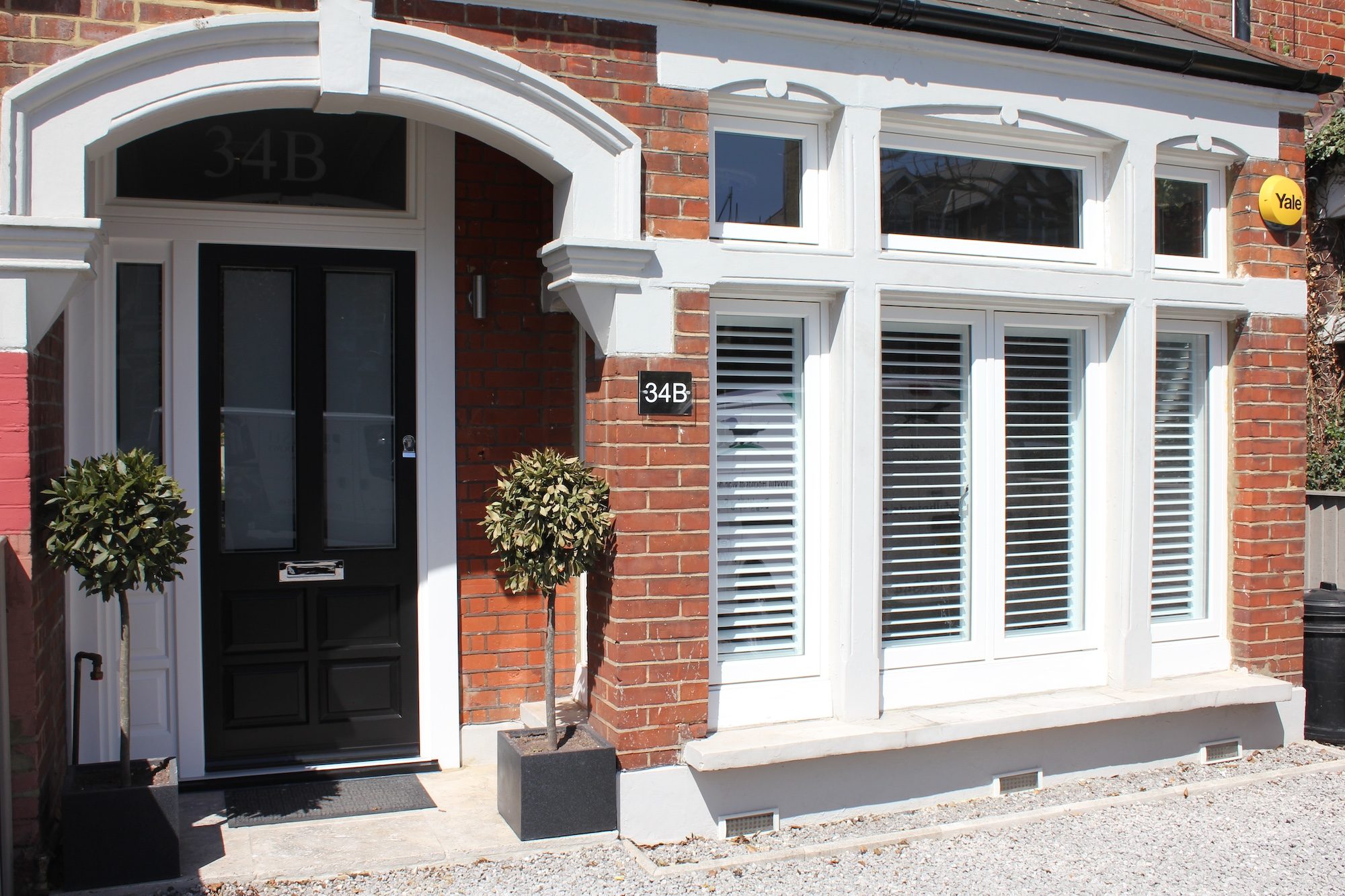
Bay windows require slightly different consideration because curtains, blinds, furniture, and even window seats can restrict airflow around their larger glazed areas. Keeping air moving around the entire bay can help reduce localised condensation, particularly during colder weather.
Damp prevention tips for timber external doors
It’s important to remember that condensation isn’t limited to windows. External doors can also experience significant differences between indoor and outdoor temperatures, especially when their designs incorporate glazing.
Panel doors
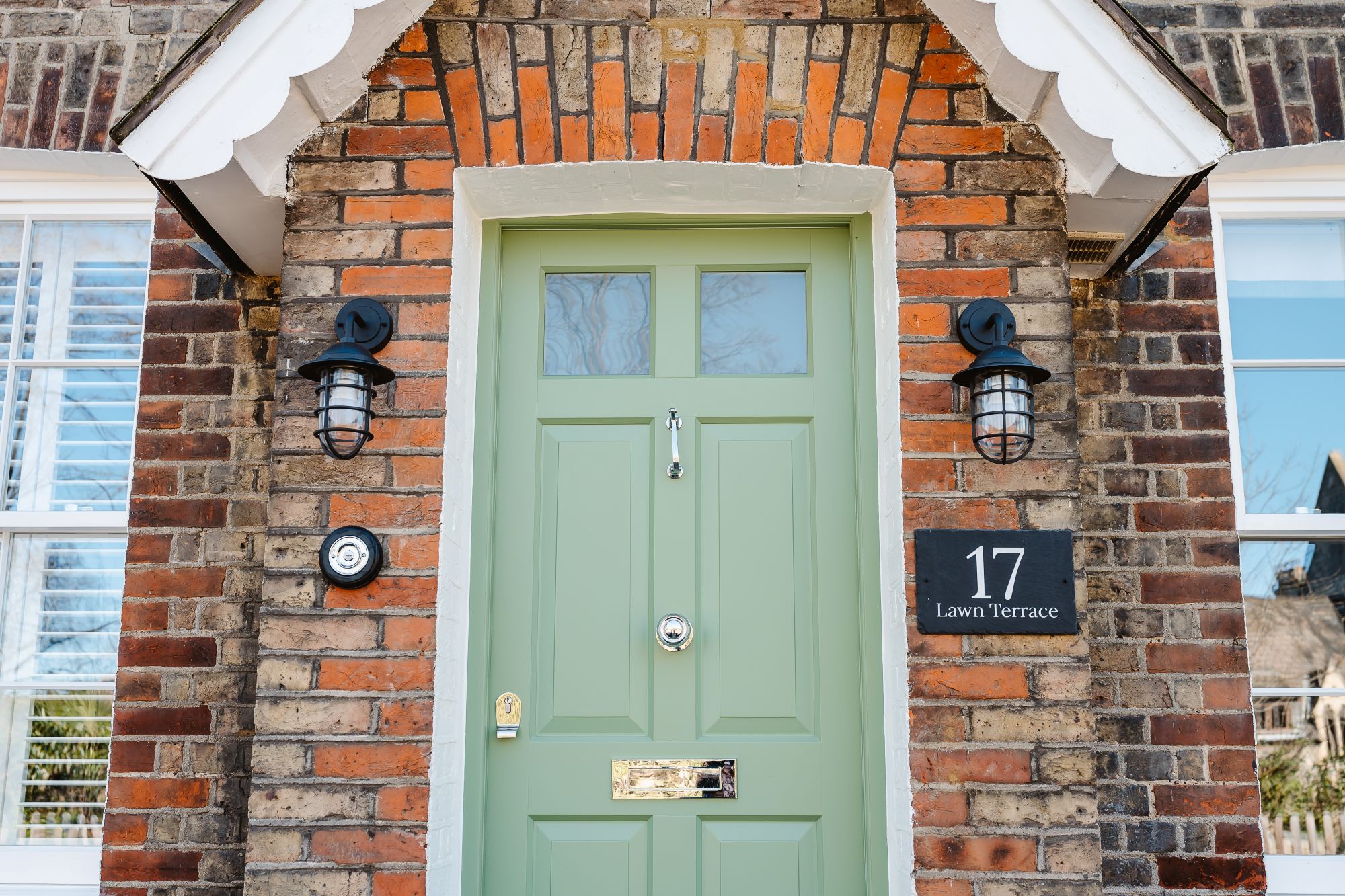
For panneled front and back doors, good ventilation throughout entrance areas can help prevent moisture from accumulating. Maintaining a consistent indoor temperature and regularly checking the condition of glazing, seals, and finishes will also help your doors continue performing effectively.
If moisture does appear, wipe it away rather than allowing water to remain against the timber or surrounding finishes.
Sliding patio doors
Sliding, otherwise known as patio, doors often feature large expanses of glass, making condensation particularly noticeable when indoor humidity is high. Keep air circulating around the doors and avoid leaving heavy curtains or blinds tightly closed against the glazing for prolonged periods. Regularly checking seals and keeping tracks and frames clean can also help you spot any maintenance issues early.
Bifold doors
With their extensive glazing, bifold doors can make changes in indoor humidity particularly visible. Bifolds are also commonly installed in open-plan kitchens and kitchen-diners, where cooking can generate substantial amounts of steam. Effective extraction and ventilation are therefore especially important in these spaces.
French doors
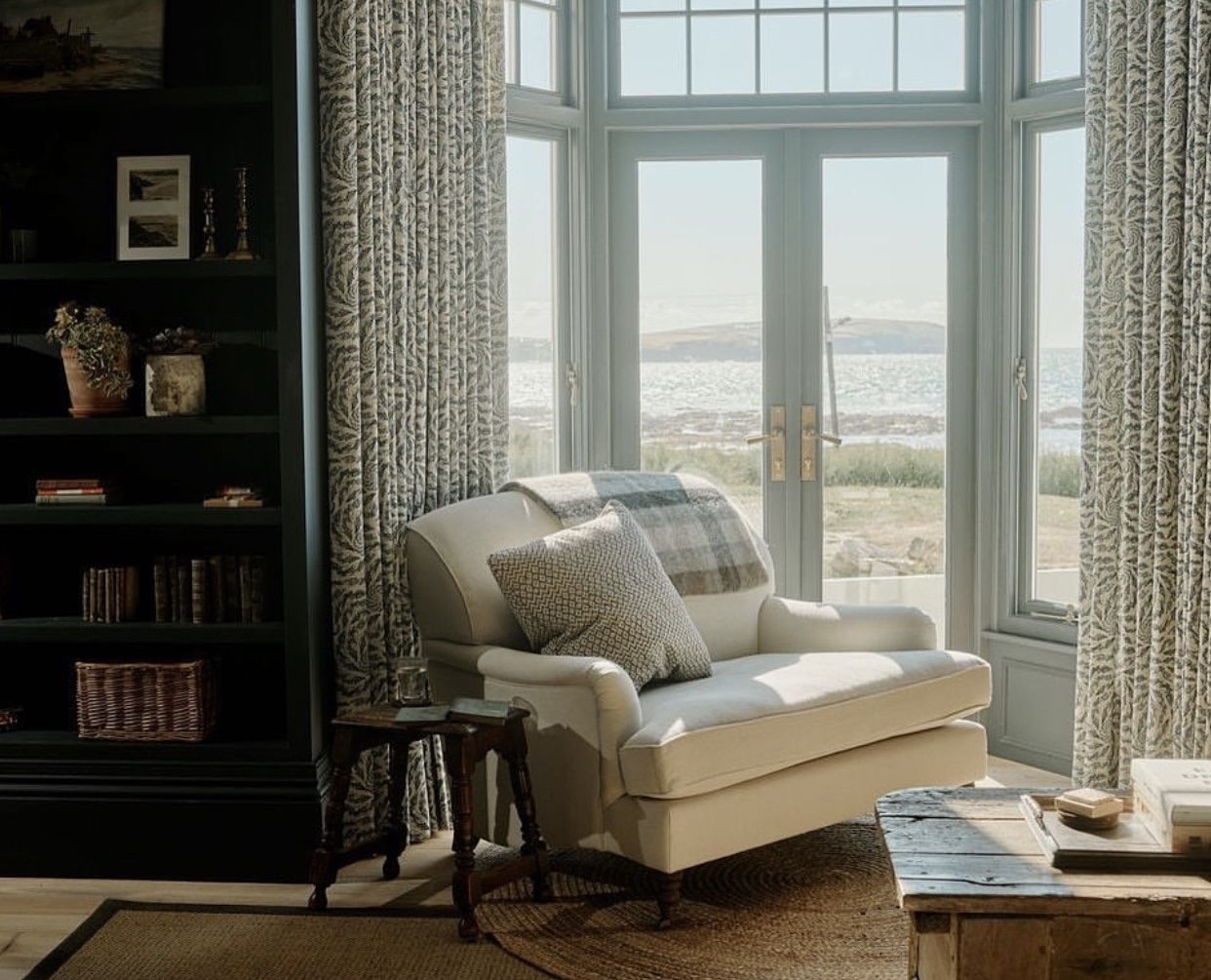
Timber French doors often connect heated living areas with gardens, terraces, and patios, making them another potential location for condensation during cold weather.
Maintaining airflow around the glazing, controlling indoor humidity, and keeping the doors and surrounding timber dry can all help prevent excessive moisture from accumulating.
Why do I have condensation between window glass panes?
If condensation is trapped between the panes of double glazing, opening a window or improving room ventilation is unlikely to solve the problem. Moisture between panes can indicate that the seal around an insulated glazing unit has failed, allowing moisture to enter the space that should remain sealed.
If misting or condensation repeatedly appears inside the glazing itself, it is worth having the window or door professionally assessed to determine whether the glazing unit requires attention or replacement.
Can condensation damage timber windows and doors?
Timber is an excellent material for windows and doors, combining natural character with durability, insulation, and the ability to complement both traditional and contemporary properties. Like any natural material, however, it benefits from appropriate care.
You shouldn’t allow persistent moisture to remain on timber surfaces. Over time, it can contribute to decorative finishes deteriorating and provide conditions in which mould can develop around windows and doors.
However, condensation appearing on a timber window or door does not automatically mean that the product itself is faulty. In many cases, internal condensation is instead related to humidity, ventilation, and temperature within the property.
When should I be concerned about condensation?
Occasional condensation can usually be managed with improved ventilation and moisture control. However, it may be worth investigating further if you notice:
- Heavy condensation that regularly returns despite adequate ventilation.
- Persistent mould developing around windows or doors.
- Moisture trapped between panes of double glazing.
- Damaged or deteriorating seals.
- Significant draughts around closed windows or doors.
- Timber or surrounding finishes that show signs of persistent moisture damage.
These problems can indicate that maintenance is required or that older windows and doors are no longer performing as effectively as they should.
Can New Timber Windows and Doors Help Reduce Condensation?
Replacing windows and doors shouldn’t be viewed as a complete solution to condensation. Even the highest-performing products cannot compensate for consistently high indoor humidity or inadequate ventilation.
However, modern glazing, effective seals, and professionally installed timber frames can improve thermal performance and help keep internal surfaces warmer. This can reduce some of the conditions that make condensation more likely while also helping improve the overall energy efficiency and comfort of the property.
How we help as professionals
At Nine Zero, our bespoke timber windows and doors are designed to bring these modern performance benefits to properties without compromising their individual character.
From traditional sash windows and entrance doors for period properties to contemporary bifold and sliding doors, every product can be tailored to complement the architecture of the building. We use FSC-certified timber and combine skilled craftsmanship with modern glazing and performance standards to create windows and doors built for long-term use.
Find the right timber windows and doors for your property
Whether you’re a homeowner replacing ageing windows and doors, or an architect, developer, or installer sourcing timber products for an upcoming project, Nine Zero can provide a bespoke solution tailored to the property and its requirements.
Our timber sash, bay, and casement windows and range of entrance, French, bifold, and sliding doors combine carefully considered design with modern standards of thermal performance, security, and durability. With options suited to period renovations, restorations, and new-build developments, we can work with you to achieve the right balance between appearance and performance.
Explore our range of bespoke timber windows and doors, or get in touch with us to discuss your requirements and find the right products for your next project.